

 English
 Español
 عربى
عربىIntroduction to PETG Decorative Film In the realm of modern decorative materials, PETG decorative fi...
READ MORECloth-Grain PVC Printed Decorative Film: Guide & Uses
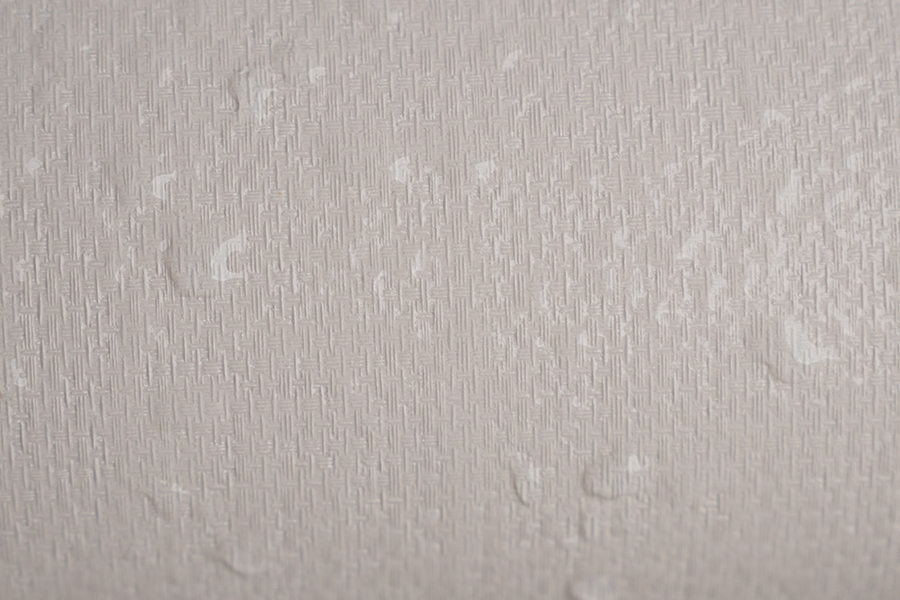
Cloth-grain PVC printed decorative film has emerged as a premier material for interior design and industrial finishing, offering the tactile warmth of fabric with the durability and moisture resistance of polyvinyl chloride. This versatile surfacing solution allows manufacturers and designers to achieve high-end textile aesthetics on substrates like MDF, particleboard, and metal without the maintenance issues associated with real cloth. The key to its success lies in the combination of deep embossing technologies and high-fidelity rotogravure printing, which together create a visually and physically convincing fabric texture that is resistant to wear, stains, and humidity.
Manufacturing Process and Technology
The production of cloth-grain PVC film is a sophisticated multi-step process that ensures both aesthetic appeal and functional performance. Understanding this process helps in evaluating the quality of the final product.
Embossing and Texture Creation
The defining characteristic of cloth-grain film is its texture. This is achieved through mechanical embossing, where the PVC sheet passes through heated steel rollers engraved with specific fabric patterns, such as linen, canvas, or leather grain. Deep embossing techniques create a three-dimensional surface that not only looks like fabric but also feels like it to the touch. The depth of the emboss can range from 0.05mm to 0.2mm, depending on the desired realism and application.
High-Fidelity Printing
Once the texture is established, the film undergoes rotogravure or digital printing. Rotogravure is preferred for large runs due to its consistency and ability to reproduce intricate weave patterns and color variations. Advanced printing techniques allow for registration between the print and the emboss, ensuring that the visual pattern aligns perfectly with the physical texture, thereby enhancing the illusion of real woven material.
Advantages Over Traditional Materials
Cloth-grain PVC printed decorative film offers several distinct advantages over natural fabrics and other synthetic alternatives, making it a preferred choice for high-traffic and moisture-prone environments.
| Feature | Cloth-Grain PVC Film | Natural Fabric | Standard Vinyl |
|---|---|---|---|
| Moisture Resistance | Excellent (Waterproof) | Poor (Absorbs water) | Excellent |
| Durability/Abrasion | High (Resists scratching) | Low (Prone to wear) | Medium |
| Maintenance | Easy (Wipe clean) | Difficult (Special cleaning) | Easy |
| Aesthetic Realism | High (Textured) | Authentic | Low (Smooth/Plastic look) |
Unlike natural fabrics, cloth-grain PVC film is impervious to mold, mildew, and staining, making it ideal for kitchens, bathrooms, and healthcare facilities. It also offers superior consistency in color and pattern, eliminating the batch-to-batch variations often seen in textile production.
Key Applications in Interior Design
The versatility of cloth-grain PVC printed decorative film allows it to be used in a wide range of applications, from residential furniture to commercial fixtures.
Furniture and Cabinetry
One of the most common uses is in the lamination of furniture panels, cabinet doors, and drawer fronts. The film provides a soft, warm touch that enhances the user experience, particularly in bedroom and living room furniture. It is often applied using vacuum press or flat lamination techniques, ensuring a bubble-free finish that adheres tightly to complex profiles and edges.
Wall Coverings and Partitions
In commercial spaces, cloth-grain PVC film is used as a durable wall covering or partition surface. Its ability to withstand impact and abrasion makes it suitable for high-traffic areas like hotels, offices, and hospitals. The acoustic dampening properties of the textured surface also contribute to a quieter environment, although this effect is subtle compared to dedicated acoustic panels.
Installation and Maintenance Best Practices
Proper installation and care are essential to maximize the lifespan and appearance of cloth-grain PVC decorative film.
- Surface Preparation: Ensure the substrate is clean, dry, and smooth. Any dust or irregularities can cause adhesion failures or visible imperfections in the final finish.
- Adhesive Selection: Use high-quality contact adhesives or PVA glues specifically designed for PVC films. Apply adhesive evenly to both the substrate and the back of the film for optimal bonding.
- Temperature Control: Install the film at room temperature (approximately 20°C to 25°C). Extreme cold can make the film brittle, while excessive heat can cause premature activation of the adhesive.
- Cleaning: Clean the surface with a soft cloth and mild detergent. Avoid abrasive cleaners, solvents, or scouring pads, which can damage the printed layer and reduce the gloss or texture integrity.
PREV:PETG Decorative Film: Benefits, Applications & Installation GuideNEXT:Faux Leather Texture PVC Decorative Film: Guide & Applications
Interested in cooperation or have questions?
Recommended articles
-

Don't hesitate to contact when you need us!
GET IN TOUCH
-
Wood-Grain PVC Printed Decorative Film
Single Color PVC Decorative Film
Time-Space Fantasy PVC Printed Decorative Film
Cloth-Grain PVC Printed Decorative Film
Faux Leather Texture PVC Decorative Film
-
 No. 2 Yidu Road, Yizhuang Village, Guanlin Town, Yixing , Jiangsu, China.
 +86-0510-80773188
+86-18020301786 -

Copyright © Wuxi Telisi New
Material Technology Co., Ltd. Rights Reserved.
PVC Decorative Film Manufacturers PVC Membrane Foil Suppliers
