

 English
 Español
 عربى
عربىIntroduction to PETG Decorative Film In the realm of modern decorative materials, PETG decorative fi...
READ MOREWhat Is Thermofoil? Process, Materials, and Cabinet Door Applications Explained
Thermofoil is a thin vinyl film heated and vacuum-pressed onto a shaped substrate, usually MDF. The result is a seamless, durable surface that looks like painted wood, stone, or fabric without their cost or maintenance. For cabinet doors and furniture panels, thermofoil resists moisture and daily wear but cannot tolerate high heat and is hard to repair. Understanding how it is made and where it performs best helps you specify the right surface.
What Thermofoil Actually Is
Thermofoil is a finishing method, not a solid material. A PVC vinyl film is bonded to a routed or shaped core, most often MDF because it is flat and stable. During manufacturing, the film is heated until flexible, then vacuum pulls it tightly around the core. The adhesive activates under heat and pressure, creating a continuous surface that wraps over edges and into profiles.
This process is sometimes called rigid thermofoil (RTF) when the film is thick and the door is rigid. Unlike laminate, which is a flat sheet glued to a flat surface, thermofoil conforms to three-dimensional shapes, including raised panels and curved edges. That is why thermofoil doors mimic traditional five-piece doors without seams, joints, or exposed wood cores that can absorb moisture. Many suppliers produce PVC printed decorative films with wood, stone, cloth, and leather textures. A dark wood grain PVC film can reproduce walnut or wenge, while a jazz white marble PVC film provides natural stone veining.
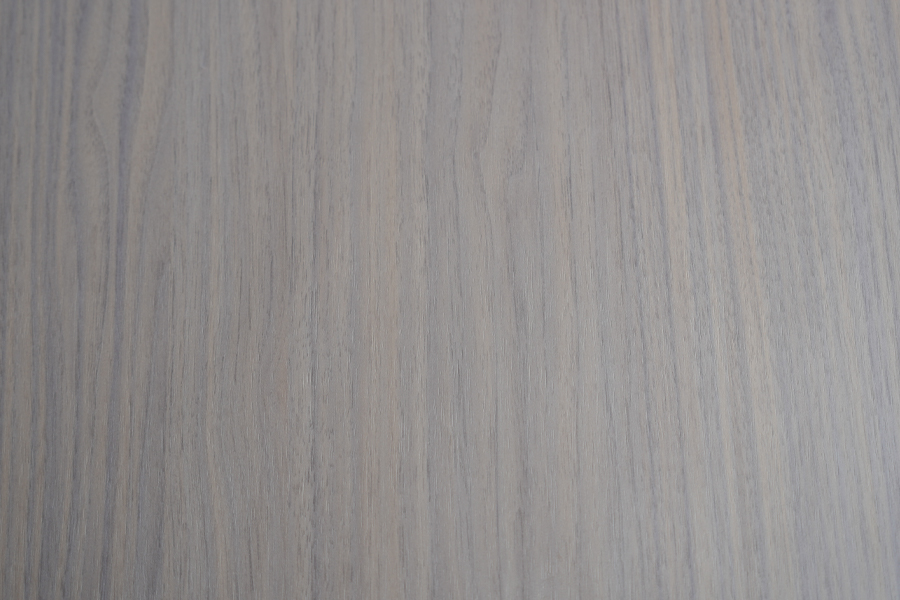 Dark-Colored Wood-Grain PVC Printed Decorative FilmA dark wood-grain PVC decorative film suited to furniture and cabinetry surfaces, offering water-based printing, scratch, stain, and corrosion resistance for lamination and wrapping.View Product →
 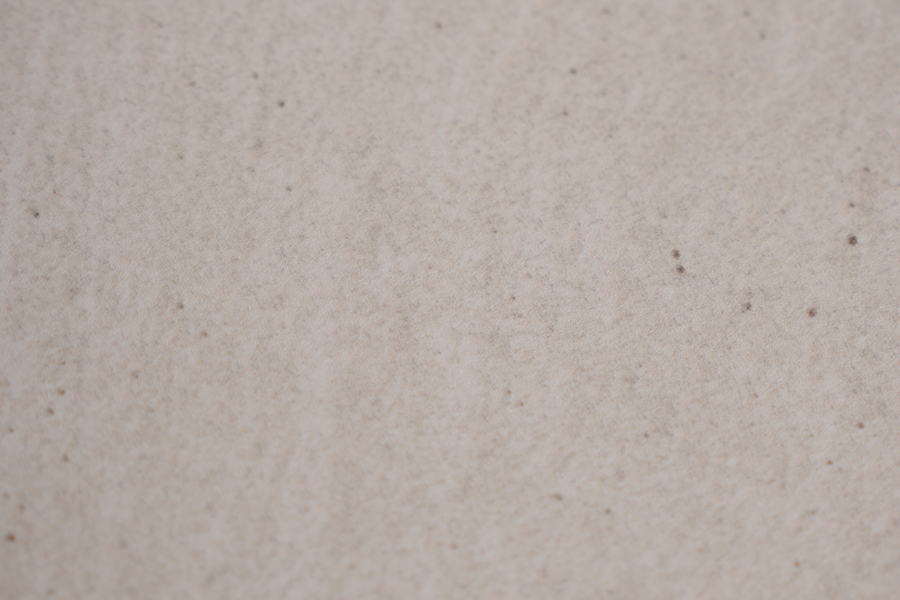 Jazz White Marble PVC Printed Decorative FilmA stone-grain PVC film replicating jazz white marble as a cost-effective alternative, using water-based printing for furniture, walls, countertops, cabinets, and commercial interiors.View Product →
How Thermofoil Is Made
Producing a thermofoil panel involves controlled steps. The MDF core is cut and machined with the desired profile, then sanded and cleaned. An adhesive is applied, and the vinyl film is loaded into a vacuum press. It is heated to 110–150°C to soften the PVC without degrading the printed pattern. The vacuum pulls the film over the core, and atmospheric pressure forces it into every contour. The adhesive cures as the assembly cools, and excess film is trimmed. A well-made door has uniform thickness, no bubbles, and a tight seal around the perimeter.
Material selection matters: the PVC film can include a base color, printed pattern, and protective topcoat. Higher-density MDF holds screws better and resists swelling. For greater heat resistance or a more environmentally friendly profile, PETG decorative films are an alternative. PETG is a polyester-based film that can be printed with wood grain or produced in solid matte colors, often chosen for cabinet doors in kitchens and bathrooms.
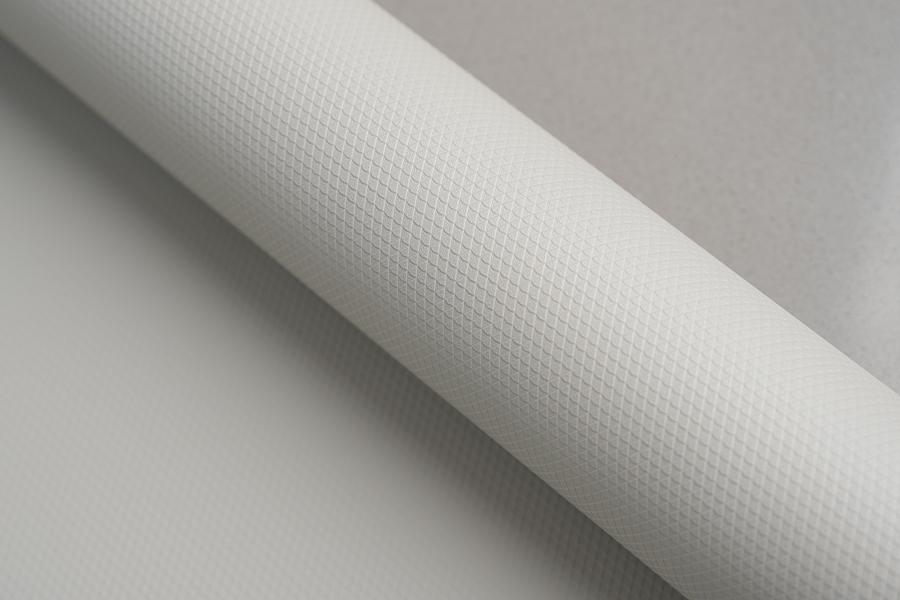 Solid Color Matte PETG Decorative Film for Cabinet DoorsA matte PETG film for cabinet door panels, described as flexible, recyclable, food-grade safe, and suited to flat lamination or wrapping in kitchens, bathrooms, offices.View Product →
Why Thermofoil Surfaces Are Popular
Thermofoil is popular for practical reasons. It costs less than solid wood or high-pressure laminate. The film creates a continuous barrier over MDF, so splashes and steam do not soak into the core. Cleaning requires only a soft cloth and mild soap. Because the film is printed and wrapped in a factory, color and grain consistency are excellent across an entire order—critical for multi-unit housing and retail fixtures. Thermofoil also resists warping and fading better than some solid-wood cabinets. It needs no painting, staining, or sealing, which means lower maintenance and predictable lead times.
The Limitations You Should Plan Around
Thermofoil has clear boundaries. PVC film softens at high temperatures, so a door directly above a self-cleaning oven, beside a heat-producing appliance, or in intense sunlight may delaminate, bubble, or peel. Keep it away from heat sources and avoid range hood surrounds or outdoor kitchens. It is also difficult to repair: a deep scratch cannot be sanded out because the film is thin and often printed rather than solid-colored. Field repairs rarely match the factory finish. Thermofoil cannot be refinished—replacement is the only option if it is damaged or dated. Lower-cost doors can feel less premium. Finally, the MDF core is vulnerable if water reaches it through a cut edge or failed seal. These limitations do not disqualify thermofoil, but they dictate where it should be used.
Thermofoil vs. Other Cabinet Surfaces
The table compares thermofoil with common alternatives on the criteria that matter most for kitchens, bathrooms, and commercial casework.
| Surface | Core | Moisture Resistance | Heat Resistance | Repairability | Relative Cost |
|---|---|---|---|---|---|
| Thermofoil (RTF) | MDF | High if edges are sealed | Low to moderate | Low | Low to moderate |
| Laminate | Particleboard or MDF | Moderate; seams can swell | Moderate | Low | Low |
| Solid wood | Solid wood | Low; needs sealing | High | High | High |
| Painted MDF | MDF | Moderate; edges need paint | Moderate | Moderate | Moderate |
| PETG decorative film | MDF or particleboard | High | Moderate to high | Low | Moderate |
Thermofoil and laminate are both factory-finished, but thermofoil wraps over edges while laminate leaves a seam or requires edge banding. Solid wood offers the best repairability and heat resistance but costs more and needs maintenance. Painted MDF can be refinished but is more susceptible to moisture at cut edges. PETG film combines the seamless wrap of thermofoil with better heat tolerance and a chlorine-free formulation. For busy kitchens or humid bathrooms, PETG may be worth the modest cost premium.
How to Choose and Care for Thermofoil Surfaces
When specifying thermofoil, look beyond the color sample. Ask about film thickness in mils or microns. Thicker films resist scratching better but are harder to wrap around tight profiles. Check MDF density; a denser core holds hinges and screws more reliably. Confirm that all edges are sealed and that the adhesive is rated for the environment. ISO 9001 and ISO 14001 certifications indicate documented quality and environmental management. For indoor air quality goals, request low-VOC or water-based processes.
Care is straightforward: wipe with a damp cloth and mild detergent. Avoid abrasive pads, scouring powders, and solvents. Do not place hot pans directly on the surface. If an edge lifts, do not pull it; a professional can reactivate the adhesive with heat and pressure. If the film is torn, replace or refinish the door. For high-heat areas, consider PETG film, which offers better thermal stability and can be printed with the same wood grain and solid colors.
Thermofoil remains a practical, cost-effective choice for cabinet doors, drawer fronts, and furniture panels that see moisture but not extreme heat. It delivers a seamless, easy-clean surface with consistent color and a wide range of decorative effects. Match the material to the application, verify film and core quality, and plan for limitations. If heat resistance, repairability, or sustainability are higher priorities, compare it with PETG and other decorative films before finalizing your specification. For more information on decorative film options, visit our main site or read about the advantages and diverse applications of PETG decorative film.
Interested in cooperation or have questions?
Recommended articles
-

Don't hesitate to contact when you need us!
GET IN TOUCH
-
Wood-Grain PVC Printed Decorative Film
Single Color PVC Decorative Film
Time-Space Fantasy PVC Printed Decorative Film
Cloth-Grain PVC Printed Decorative Film
Faux Leather Texture PVC Decorative Film
-
 No. 2 Yidu Road, Yizhuang Village, Guanlin Town, Yixing , Jiangsu, China.
 +86-0510-80773188
+86-18020301786 -

Copyright © Wuxi Telisi New
Material Technology Co., Ltd. Rights Reserved.
PVC Decorative Film Manufacturers PVC Membrane Foil Suppliers
