

 English
 Español
 عربى
عربىIntroduction to PETG Decorative Film In the realm of modern decorative materials, PETG decorative fi...
READ MOREWood-Grain PVC Film: Benefits, Applications & Installation Guide
The Practical Advantage of Wood-Grain PVC Film
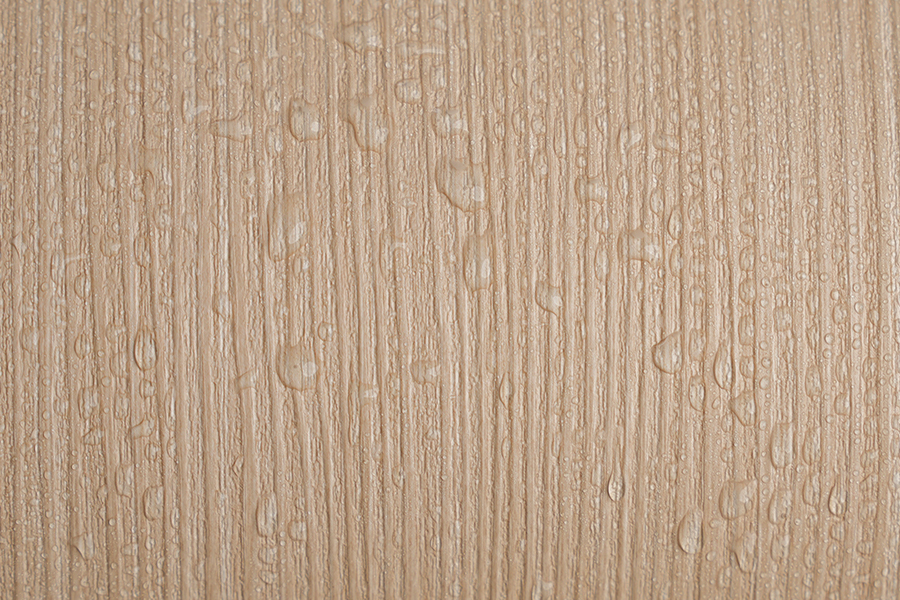
Wood-grain PVC printed decorative film has revolutionized interior design and furniture manufacturing by offering a durable, cost-effective alternative to natural wood veneers. This synthetic material provides the aesthetic appeal of timber with superior resistance to moisture, scratches, and UV fading, making it ideal for high-traffic areas and humid environments where real wood would warp or decay.
Unlike traditional laminates that are rigid and require high-pressure application, PVC films are flexible and can be wrapped around complex curves and edges using vacuum press technology or cold lamination. This versatility allows designers to achieve seamless finishes on kitchen cabinets, wardrobes, door skins, and architectural moldings without the visible seam lines often associated with edge banding.
Composition and Manufacturing Technology
Understanding the structure of wood-grain PVC film helps in selecting the right grade for specific applications. The material is typically composed of multiple layers, each serving a distinct functional purpose.
Layer Structure
The base layer is made of polyvinyl chloride (PVC), which provides flexibility and tensile strength. Above this is the printing layer, where high-resolution gravure or digital printing techniques are used to replicate intricate wood grain patterns. The topmost layer is a transparent wear-resistant coating, often enhanced with UV inhibitors and anti-scratch additives to protect the print from daily abrasion.
Printing Techniques
Modern gravure printing allows for exceptional detail, capturing the subtle variations in color and texture found in natural oak, walnut, teak, and mahogany. Some premium films also include an embossed texture that aligns with the printed grain, providing a tactile experience that closely mimics real wood.
| Parameter | Standard Range | Significance |
|---|---|---|
| Thickness | 0.12mm – 0.50mm | Thicker films offer better durability and deeper embossing |
| Width | 1220mm – 1400mm | Standard widths fit most industrial vacuum press machines |
| Adhesive Type | Self-adhesive or Heat-Activated | Determines application method (cold wrap vs. vacuum press) |
| UV Resistance | Grade 4-5 (Blue Wool Scale) | Prevents fading in sun-exposed areas like windowsills |
Key Benefits Over Natural Wood and Veneer
While natural wood has undeniable charm, wood-grain PVC film offers several practical advantages that make it a preferred choice for modern mass production and renovation projects.
- Moisture Resistance: Unlike wood veneer, which can delaminate or swell in humid conditions, PVC is inherently waterproof. This makes it perfect for bathroom cabinets, kitchen splashbacks, and basement furniture.
- Consistency: Natural wood varies in color and grain pattern, leading to inconsistencies in large batches. PVC film ensures uniform appearance across thousands of units, simplifying quality control for manufacturers.
- Cost Efficiency: PVC film is significantly cheaper than high-quality wood veneer. It reduces material waste and eliminates the need for expensive finishing processes like sanding, staining, and varnishing.
- Eco-Friendliness: Using PVC film reduces the demand for timber, helping to preserve forests. Additionally, many modern PVC films are phthalate-free and comply with strict environmental standards like REACH and RoHS.
Application Methods and Installation Tips
Proper installation is crucial for achieving a professional finish. The method chosen depends on the substrate material and the available equipment.
Vacuum Press Lamination
This is the most common industrial method. A heat-activated adhesive on the back of the film is activated by temperatures between 110°C and 130°C. The vacuum pressure pulls the film tightly around the contours of the MDF or plywood substrate. Ensure the substrate is perfectly smooth and free of dust before lamination, as any imperfection will be visible through the film.
Cold Wrapping and Self-Adhesive
For DIY projects or on-site renovations, self-adhesive PVC films are available. These can be applied at room temperature using a squeegee to remove air bubbles. It is essential to clean the surface with isopropyl alcohol to remove grease and ensure strong adhesion. For curved surfaces, a heat gun can be used to soften the film, allowing it to stretch and conform to the shape without wrinkling.
Maintenance and Longevity
One of the standout features of wood-grain PVC film is its low maintenance requirement. It does not require periodic polishing or sealing like natural wood.
- Cleaning: Wipe with a damp cloth and mild detergent. Avoid abrasive scrubbers or harsh chemicals like acetone, which can damage the protective top coat.
- Heat Protection: While PVC is heat resistant to a degree, direct contact with very hot objects (above 80°C) can cause melting or deformation. Always use trivets or coasters.
- Scratch Repair: Minor scratches can sometimes be minimized with a specialized PVC repair wax. However, deep cuts cannot be repaired due to the printed nature of the grain, so preventive care is key.
PREV:PETG Decorative Film: Benefits, Applications & GuideNEXT:Vinyl Film for Furniture: Durable & Stylish Upgrade
Interested in cooperation or have questions?
Recommended articles
-

Don't hesitate to contact when you need us!
GET IN TOUCH
-
Wood-Grain PVC Printed Decorative Film
Single Color PVC Decorative Film
Time-Space Fantasy PVC Printed Decorative Film
Cloth-Grain PVC Printed Decorative Film
Faux Leather Texture PVC Decorative Film
-
 No. 2 Yidu Road, Yizhuang Village, Guanlin Town, Yixing , Jiangsu, China.
 +86-0510-80773188
+86-18020301786 -

Copyright © Wuxi Telisi New
Material Technology Co., Ltd. Rights Reserved.
PVC Decorative Film Manufacturers PVC Membrane Foil Suppliers
