

 English
 Español
 عربى
Introduction to PETG Decorative Film In the realm of modern decorative materials, PETG decorative fi...
READ MORECar Interior Wood Grain Vinyl Wrap: Choosing, Fitting and Sourcing the Right Film
A customer walks in with a dashboard strip that has faded from walnut brown to a flat orange, or a door card where the factory wood-look film is curling at the corner. The job looks like cut, squeegee, done. It rarely is. Interior wood grain wrapping fails for three predictable reasons: the film was calendered instead of cast, the panel was still carrying silicone dressing, or the edges were never post-heated. Control those three and a wrapped dash, console or door card can look factory-fitted for years. Miss them and the same trim is back on your bench inside a month.
What follows is written for both sides of the transaction: the trimmer quoting the job and the buyer sourcing the roll. They need the same answers — which wood tones suit which cabins, what the film has to survive behind the glass, and which specifications to confirm before an order is placed.
What an Interior Wood Grain Wrap Has to Survive
A dashboard is one of the harshest environments inside a vehicle. Behind a windscreen on a summer afternoon, dark trim surfaces regularly reach 70–90°C, then cool overnight and repeat the cycle the next morning. Add UV load through the glass, plasticisers migrating out of the substrate, and the constant flex of a door card being slammed. A film that lasts a decade on a furniture panel can wrinkle on a dash in one season if it was not built for that cycle.
So interior wrap stock is specified differently from furniture membrane film. Three properties carry most of the risk: heat resistance under tension, conformability over compound curves, and a print that resists fading. A cast PVC film with a printed grain, a controlled gloss level and a heat-resistant adhesive will hold a curve. A thin calendered film fights the applicator, then lifts at the tightest radius a few weeks later.
Reading a Wood Grain Film Specification
Base film and thickness
Most interior wrap films sit between 0.10 mm and 0.20 mm. Cast film has no built-in memory, so it stretches where you need it and stays there once cooled. Calendered film is cheaper and fine for flat panels, but it wants to return to its original shape, which is exactly the wrong behaviour around a curved console or a pillar trim. For anything with a compound curve, specify cast and budget accordingly.
Print quality and texture depth
A convincing wood grain is a printed image plus a physical emboss. The print supplies colour and figure; the emboss supplies the pore and line texture your fingers read before your eyes do. The two must be in register, otherwise the grain looks painted on rather than grown. Ask for a sample at the same gloss level as production stock, because a gloss sample will hide texture flaws that a matte finish exposes.
Odour, coatings and colour control
Interior work puts the film within 60 cm of the driver's nose, and a hot cabin amplifies any residual solvent smell. Films printed with water-based inks and finished with a functional coating are the safer choice here. Wuxi Telisi manufactures its wood grain PVC printed decorative film this way, combining water-based printing, registration lamination and a nano coating to produce what the company calls a low-odour functional finish, backed by ISO9001 and ISO14001 certification and a national high-tech enterprise designation from 2020. The same coating is what gives the surface its reported resistance to scratching, staining and heat.
Dark or Light: Matching the Tone to the Cabin
Dark walnut and burr walnut remain the default for executive and older luxury interiors with black or tan leather. Deep brown tones hide fine scratches well and read as expensive in a dim cabin, but they show dust and fingerprints on horizontal surfaces, so a satin rather than full gloss is usually the practical answer.
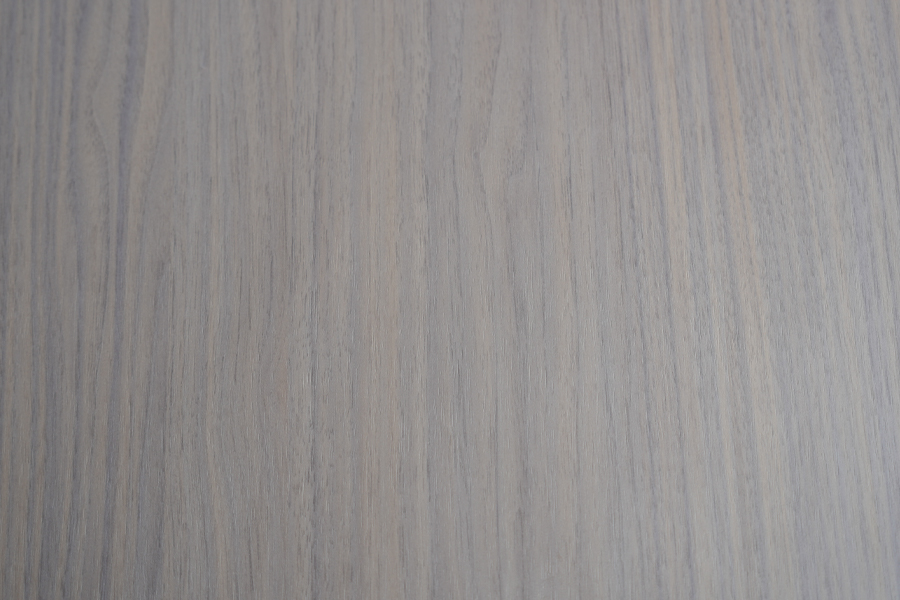 Dark Wood-Grain PVC Decorative FilmReplicates dark walnut tones for executive interiors; scratch- and stain-resistant PVC film suits flat lamination, wrapping, blistering, and thermoforming.View Product →
Light oak and ash suit modern cabins with light grey or cream upholstery and large glass areas. Pale grain brightens an interior that feels closed in, and it hides swirl marks from polishing far better than dark tones. The risk is looking flat: choose a film with visible pore texture rather than a smooth pale print, or the trim will read as painted plastic.
 Light Wood-Grain PVC Decorative FilmImitates pale oak and ash for bright modern interiors; water-based PVC film offers scratch and stain resistance for lamination, wrapping, and blistering.View Product →
| Wood tone | Character | Best suited trims | Trade-off |
|---|---|---|---|
| Dark walnut or burr | Deep brown with strong figure | Dash inserts, console lids, door switch panels | Hides scratches; shows dust on horizontal faces |
| Light oak or ash | Pale, straight grain | Door cards, slim dash strips, rear console | Brightens the cabin; needs real texture to avoid a flat look |
| Grey-brown driftwood | Muted, low contrast | Curved panels and thick trim rings | Forgiving on compound curves and joins |
| High-gloss piano wood | Reflective, deep finish | Console tops, small accents | Reflects sunlight onto the glass; swirls easily when polished |
| Matte open-pore | Texture-forward, low sheen | Sport and retro builds, steering spokes | Resists fingerprints; harder to clean around deep emboss |
A Fitting Sequence That Prevents Edge Lift
Application temperature and edge finishing decide whether a wrap survives its first winter. Work through the sequence in order rather than skipping ahead to save an hour.
- Remove the trim where possible. Wrapping in place limits access to the back edges that need to be folded and heated.
- Degrease twice — once with an all-purpose cleaner, once with isopropyl alcohol. Silicone from dashboard dressing is the single most common cause of adhesive failure.
- Test-fit and template the panel before cutting. Leave 20–30 mm of overlap on every edge that will be wrapped to the rear face.
- Apply primer to PP and ABS substrates only where the film folds behind the panel; skip primer on flat faces that need repositioning.
- Warm the film to roughly 40–60°C to relax it, then lay it from the centre outward with a felt-edged squeegee, keeping the grain direction consistent across adjacent panels.
- Post-heat every wrapped edge to 70–80°C and hold pressure for a few seconds. Edges that are not heat-set will lift at the first hot day.
- Let the panel sit for 24 hours at room temperature before refitting, so the adhesive can build full contact strength.
Where Wraps Fail in Service
- Edge lift along door card tops, usually from skipped post-heating rather than poor adhesive.
- Grain distortion on tight radii where a calendered film was stretched past its limit.
- Bubbles under gloss finishes, caused by trapped air that a matte emboss would have masked.
- Discolouration on dash tops after two summers, a sign the film lacked UV-stabilised print and clear coating.
- Adhesive residue on removal, which turns a simple refresh into a two-hour scraping job.
- Glare across the windscreen from full-gloss film on a large dash panel — a safety issue worth flagging to the customer before the job starts.
One placement rule overrides styling preferences: never bridge an airbag seam. Door cards with side airbags, passenger-side dash panels and knee bolster covers should be treated as no-wrap zones unless the vehicle maker's own service information says otherwise.
Sourcing Checks Before a Roll Is Ordered
For shops and converters buying in volume, the film is only half the purchase — consistency is the other half. A batch that shifts half a shade between rolls will show up immediately when two door cards sit side by side.
- Confirm cast versus calendered construction in writing, along with thickness tolerance.
- Ask for a colour tolerance figure per batch; a ΔE of about 1.5 or lower keeps adjacent panels visually matched.
- Request the roll width you actually cut from — 1.22 m and 1.52 m are the common standards — so offcut waste stays predictable.
- Check shelf life and storage guidance; most stock performs best within 12 months and away from direct heat.
- Ask whether inks are water-based and whether the finish is coated, then smell a sample. Your nose is a legitimate test instrument here.
- Order a sample roll from the exact production lot before committing to a container, and test it on a scrap door card at working temperature.
Interior Wrap and Exterior Protection Are Different Purchases
Restyling shops frequently get asked to quote both at once, and the two jobs should never share a film. Interior wood grain stock is judged on print, texture and conformability at moderate heat. Exterior protection film is judged on impact resistance, self-healing behaviour and gloss retention under full sun. If a customer wants paint protection alongside the trim refresh, read the guide to car paint film functions, types and installation before writing the quote, and keep the two specifications separate on the paperwork.
Wood grain wrapping succeeds or fails on details that are easy to document and easy to skip: cast film instead of calendered, double degreasing before adhesion, consistent grain direction across panels, and heat-set edges held at temperature. Buyers who lock down thickness, colour tolerance and ink chemistry before ordering give their installers a film that behaves predictably; installers who follow the sequence give the customer a cabin that still looks right two summers later.
PREV:No previous articleNEXT:Architectural Vinyl Wrap: Specifying Films That Hold Up on Real Surfaces
Interested in cooperation or have questions?
Recommended articles
-

Don't hesitate to contact when you need us!
GET IN TOUCH
-
Wood-Grain PVC Printed Decorative Film
Single Color PVC Decorative Film
Time-Space Fantasy PVC Printed Decorative Film
Cloth-Grain PVC Printed Decorative Film
Faux Leather Texture PVC Decorative Film
-
 No. 2 Yidu Road, Yizhuang Village, Guanlin Town, Yixing , Jiangsu, China.
 +86-0510-80773188
+86-18020301786 -

Copyright © Wuxi Telisi New
Material Technology Co., Ltd. Rights Reserved.
PVC Decorative Film Manufacturers PVC Membrane Foil Suppliers
