

 English
 Español
 عربى
عربىIntroduction to PETG Decorative Film In the realm of modern decorative materials, PETG decorative fi...
READ MORECloth Grain PVC Printed Decorative Film: Uses & Buying Guide
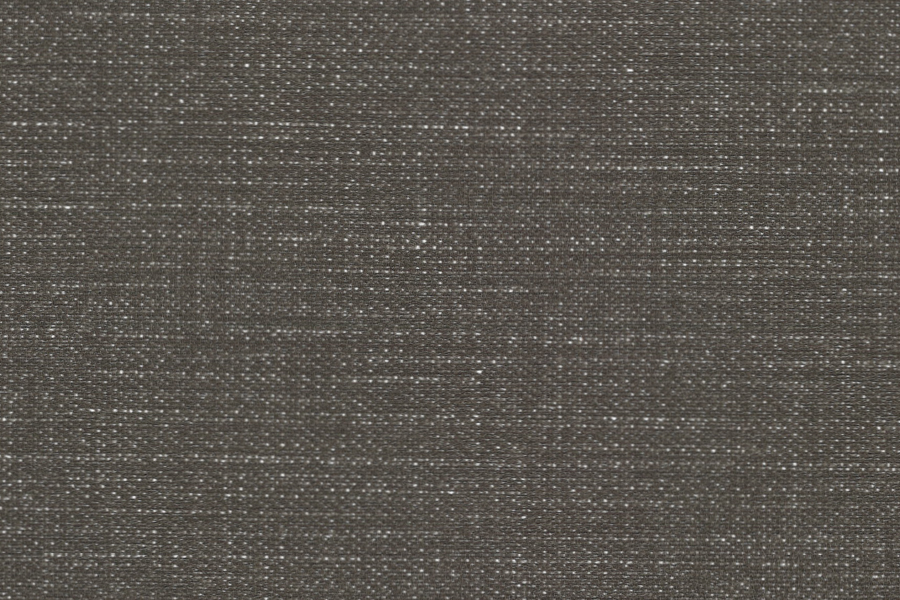
Cloth grain PVC printed decorative film is a surface finishing material that replicates the texture and visual appearance of fabric or woven textiles using a PVC substrate with printed and embossed patterns. It is widely used in furniture manufacturing, interior wall panels, cabinet surfaces, and commercial fit-outs as a cost-effective alternative to real fabric or high-pressure laminates. Understanding how it is made, where it performs best, and what specifications to look for will help you make a confident purchasing or specification decision.
What Cloth Grain PVC Decorative Film Actually Is
Cloth grain PVC decorative film is a multi-layer product. The base is a calendered or cast PVC sheet, typically between 0.07mm and 0.50mm thick, depending on the intended application. A printed layer applies the textile-inspired design — replicating linen weave, canvas texture, burlap patterns, or fine cotton grain — and an embossing roller then presses a physical texture into the surface to match the printed grain, creating a convincing tactile effect.
The film may be supplied with or without an adhesive backing. Self-adhesive versions include a release liner and pressure-sensitive glue layer, making them suitable for retrofit wrapping or DIY applications. Non-adhesive versions are used in industrial lamination processes where hot-press or solvent-based adhesives are applied separately.
The printing method is typically gravure printing, which delivers consistent color reproduction across rolls of 1,000 metres or more, making it reliable for large commercial production runs where color matching between batches matters.
Common Applications Across Industries
The appeal of cloth grain PVC film lies in how broadly it can be applied. Its flexibility allows it to conform to flat, curved, and profiled surfaces without cracking or delaminating.
Furniture and Cabinet Surfaces
Flat-pack furniture manufacturers and custom cabinet makers apply cloth grain PVC film to MDF, particleboard, and plywood substrates. The film provides a finished, fabric-like appearance without the fragility of actual upholstery. Wardrobe doors, TV cabinets, bookcase panels, and office furniture fronts are among the most common uses. In mass-production furniture, PVC decorative film reduces finishing costs by up to 40% compared to solid wood veneer while delivering a consistent, defect-free surface.
Interior Wall Panels and Wainscoting
Foam-core PVC wall panels laminated with cloth grain decorative film are a popular choice for hotel rooms, residential feature walls, and commercial office interiors. The textile-look surface adds warmth and visual interest that plain painted walls or ceramic tiles cannot achieve. Panels are typically 2440mm × 1220mm and are installed with adhesive or clip systems, allowing entire rooms to be finished quickly.
Door Skins and Moulded Panels
Hollow-core interior doors are frequently finished with cloth grain PVC film laminated directly onto HDF (high-density fibreboard) door skins. The embossed texture disguises minor surface imperfections in the substrate and adds a premium tactile quality to an otherwise economical door construction.
Automotive and Transport Interiors
Thinner, more flexible grades of cloth grain PVC film (typically 0.07mm–0.15mm) are used on dashboard trim panels, door inserts, and headliner boards in vehicles. These grades must pass specific flammability and off-gassing standards, including FMVSS 302 in North America and ECE R118 in Europe.
Key Technical Specifications to Understand
When sourcing or specifying cloth grain PVC decorative film, several technical parameters directly affect performance and suitability. Comparing products on these metrics prevents costly substitution errors.
| Parameter | Furniture / Cabinets | Wall Panels | Automotive Trim |
|---|---|---|---|
| Typical thickness | 0.18mm – 0.35mm | 0.25mm – 0.50mm | 0.07mm – 0.15mm |
| Surface wear resistance | High (with top coat) | Medium–High | Medium |
| Adhesive backing | Optional | Optional | Usually none |
| Flammability standard | GB 8410 / EN 13501 | EN 13501-1 Class B-C | FMVSS 302 / ECE R118 |
| Roll width | 1220mm / 1380mm | 1220mm / 1380mm | 1000mm – 1400mm |
Surface Coating Options
Most cloth grain PVC films are supplied with a protective top coat. The coating type affects both aesthetics and durability:
- PU (polyurethane) top coat: The most common option. Provides good scratch resistance, is easy to clean, and available in matte, satin, or gloss finishes.
- UV-cured coating: Harder and more durable than standard PU. Preferred for high-traffic surfaces like kitchen cabinet doors. Achieves pencil hardness ratings of 2H–4H.
- Soft-touch coating: Creates a slightly rubberized, velvety surface feel that complements the cloth grain pattern. Popular in premium furniture and electronics housings.
- No coating (raw embossed): Used when the film will be laminated under another layer or when the end-user applies their own finish.
How Cloth Grain PVC Film Compares to Alternative Surface Materials
Buyers frequently evaluate PVC decorative film against other surfacing options. Each has trade-offs in cost, performance, and appearance.
Versus Real Fabric or Textile Laminate
Actual woven fabric laminated to panels is more breathable and has an unmatched authentic texture, but it absorbs stains, degrades with moisture exposure, and is significantly more expensive to source and apply. Cloth grain PVC film costs approximately 60–75% less per square metre than textile laminate while being fully wipeable and moisture-resistant — a decisive advantage in kitchens, bathrooms, and commercial environments.
Versus Wood Grain PVC Film
Wood grain PVC decorative film is the most common category in the market and targets a different aesthetic. Cloth grain film is chosen when a softer, more contemporary, or fabric-forward visual is needed. The two categories are often used together in the same piece of furniture — wood grain on structural frames and cloth grain on door panels or drawer fronts — to create visual contrast.
Versus HPL (High-Pressure Laminate)
HPL is harder, more impact-resistant, and performs better in commercial-grade applications. However, it is rigid and cannot wrap around curved or profiled edges. PVC decorative film is the only practical choice for membrane pressing and profile wrapping, which are standard techniques for producing furniture doors and mouldings with seamless surface coverage.
Lamination Methods and Process Compatibility
The method used to apply cloth grain PVC film to a substrate significantly affects adhesion quality and the range of shapes that can be covered. Specifying the right film grade for your production process prevents delamination failures and surface defects.
- Flat lamination (cold or hot press): The most straightforward method for flat panels. A roller or press bonds the film to the substrate with even pressure. Hot-press lamination (at 60–120°C) is faster and achieves stronger adhesion, particularly on MDF.
- Membrane pressing (vacuum press): A heated membrane presses the film over three-dimensional routed or moulded panel faces. Film must have sufficient elongation — typically 150–250% at break — to stretch into recessed areas without tearing.
- Profile wrapping: Automated machines continuously wrap film around linear profiles such as skirting boards, door frames, or furniture edge banding. This requires very thin, highly flexible film grades with consistent thickness tolerance.
- Hand application (self-adhesive): For renovation, retail display, or small-batch work, self-adhesive cloth grain PVC film is applied manually with a squeegee. Air-release liner channels in better-grade films help prevent bubble formation during installation.
Environmental and Safety Considerations
PVC materials have faced scrutiny over their environmental profile, and cloth grain PVC decorative film is no exception. Several factors are worth evaluating when sustainability matters to your project or procurement policy.
Plasticizers and VOC Emissions
Conventional PVC film uses phthalate-based plasticizers (such as DEHP or DBP) to achieve flexibility. These are increasingly restricted under REACH regulations in the European Union and are banned in children's products. Reputable manufacturers now offer phthalate-free formulations using DINP, DPHP, or bio-based plasticizers that meet current EU and California Prop 65 requirements. Always request a material safety data sheet (MSDS) and RoHS compliance declaration when sourcing for regulated markets.
Formaldehyde Content
While PVC film itself typically contains negligible formaldehyde, the adhesives used during lamination can be a source of emissions. Specifying water-based or hot-melt adhesives rather than solvent-based systems significantly reduces VOC output in the finished product and in the manufacturing environment.
Recyclability
PVC laminated substrates are difficult to recycle because separating the film from the board is not economically practical at scale. Some manufacturers are developing films with solvent-release adhesive systems that allow clean separation at end of life, but this remains uncommon. For projects with strict circular economy requirements, HPL or paper-based laminates may be a more appropriate choice despite their other limitations.
How to Evaluate Suppliers and Product Quality
The quality of cloth grain PVC decorative film varies considerably between manufacturers. Using a systematic evaluation process before committing to a supplier reduces the risk of production defects or material failures.
- Request physical samples across multiple batches. Color consistency between rolls (Delta E value below 1.0 is considered excellent) is a reliable indicator of printing process control.
- Test adhesion under your specific process conditions. Apply the film to your substrate using your standard adhesive and press parameters, then perform a peel test after 24 hours at room temperature and again after humidity conditioning (72 hours at 40°C / 95% RH).
- Check embossing depth consistency. Run your finger diagonally across the surface. Inconsistent embossing depth indicates uneven roller pressure during manufacturing and will be visible in finished products under raking light.
- Verify certifications. For furniture markets, look for ISO 9001, REACH compliance, and Greenguard or equivalent low-emission certification. For automotive, confirm FMVSS 302 or ECE R118 test reports.
- Assess roll core and packaging. Film supplied on inadequate cores or without proper moisture-barrier packaging can arrive with edge curl, blocking (layers sticking together), or color shift — all of which create waste in production.
Design Trends in Cloth Grain PVC Decorative Film
The aesthetic range available in cloth grain PVC film has expanded substantially over the past decade, driven by demand from hospitality design and the residential premium furniture segment.
- Linen and fine weave patterns in neutral tones (warm white, greige, light taupe) dominate current specification in Scandinavian-influenced and minimalist interiors.
- Dark cloth grain finishes — charcoal, slate, and deep navy — are increasingly popular in kitchen cabinet applications as alternatives to matte black paint, offering more surface depth and tactile interest.
- Metallic thread effect patterns embed printed metallic highlights into the cloth grain design, creating a shimmer that changes with viewing angle. These are widely used in hospitality furniture and high-end retail fixtures.
- Large-scale weave patterns (simulating jute or rope weave) have grown in popularity for feature wall panels in biophilic and natural material-inspired interior schemes.
Custom print runs are available from most major manufacturers at minimum order quantities of 3,000–5,000 linear metres, making bespoke cloth grain patterns viable for large hotel or commercial fit-out projects where a proprietary look is required.
PREV:Stone Grain PVC Decorative Film: Uses, Specs & Buying GuideNEXT:Metal Brushed Decorative Film: Premium Finish for Modern Interiors
Interested in cooperation or have questions?
Recommended articles
-

Don't hesitate to contact when you need us!
GET IN TOUCH
-
Wood-Grain PVC Printed Decorative Film
Single Color PVC Decorative Film
Time-Space Fantasy PVC Printed Decorative Film
Cloth-Grain PVC Printed Decorative Film
Faux Leather Texture PVC Decorative Film
-
 No. 2 Yidu Road, Yizhuang Village, Guanlin Town, Yixing , Jiangsu, China.
 +86-0510-80773188
+86-18020301786 -

Copyright © Wuxi Telisi New
Material Technology Co., Ltd. Rights Reserved.
PVC Decorative Film Manufacturers PVC Membrane Foil Suppliers
