

 English
 Español
 عربى
عربىIntroduction to PETG Decorative Film In the realm of modern decorative materials, PETG decorative fi...
READ MORECloth-Grain PVC Printed Decorative Film: Uses, Benefits & Buying Guide
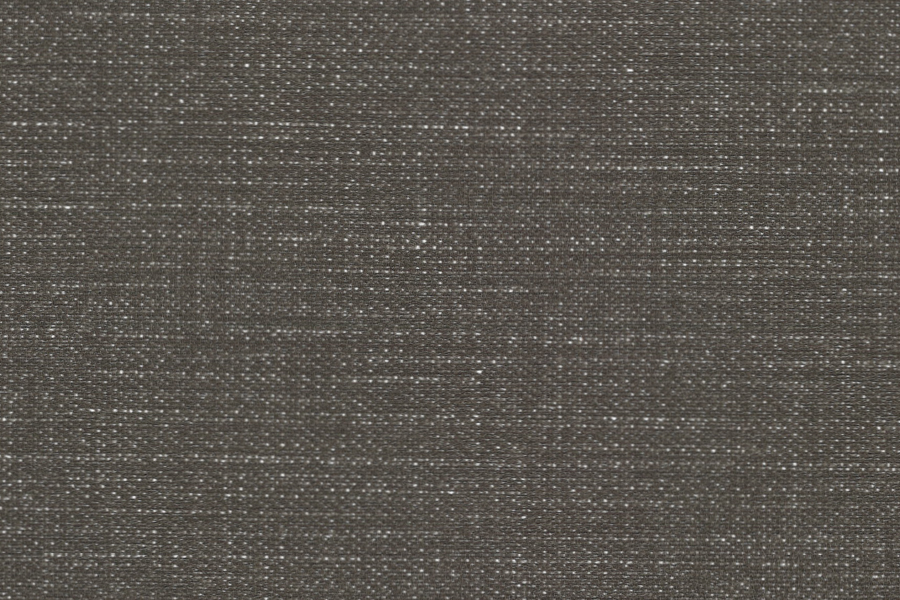
Cloth-grain PVC printed decorative film is a surface finishing material that combines the tactile texture of woven fabric with the durability and water resistance of PVC. It is used primarily in furniture manufacturing, interior wall panels, cabinetry, and modular storage systems — anywhere a soft, textile-like appearance is desired without the fragility or cost of actual fabric.
The core advantage of cloth-grain PVC decorative film is its ability to replicate a linen, canvas, or woven textile look at scale, with consistent quality, at a fraction of the cost of real upholstery or fabric lamination. It is applied via thermal lamination or cold glue processes onto MDF, particleboard, PVC foam board, and similar substrates, making it a practical choice for both mass production and custom interior projects.
What Cloth-Grain PVC Decorative Film Actually Is
Cloth-grain PVC decorative film is a multi-layer flexible sheet material. The base layer is typically calendered or cast PVC, which provides structural integrity and dimensional stability. Over that, a printed design layer replicates the visual pattern of woven fabric — linen weave, canvas grid, herringbone, and plain cloth textures are the most common. A surface embossing process then presses a three-dimensional texture into the film to match the printed pattern, creating a synchronized visual and tactile effect.
Most commercial cloth-grain PVC films include a topcoat — either matte lacquer, soft-touch coating, or UV-cured finish — to protect the printed surface from scratching, staining, and fading. Film thickness typically ranges from 0.18mm to 0.50mm, with thicker gauges used for high-wear applications like cabinet door wrapping and wall panel lamination.
Key Structural Layers
- Base PVC layer: Provides flexibility and substrate adhesion compatibility; calendered PVC offers good elongation for wrapping curved edges.
- Printed design layer: Gravure or digital printing replicates the cloth pattern with precision; gravure printing allows repeat lengths of 600–1200mm for seamless tiling.
- Embossing: Mechanical or chemical embossing creates surface relief that matches the printed texture — critical for achieving a convincing cloth feel.
- Surface treatment: Matte or soft-touch topcoats reduce glare and fingerprint visibility, which is important in light-colored cloth-grain designs.
- Adhesive backing (optional): Pressure-sensitive or heat-activated adhesive allows direct application without additional glue, common in self-adhesive furniture wrap versions.
Primary Applications in Furniture and Interior Decoration
Cloth-grain PVC printed decorative film is most heavily used in industries where surface appearance directly influences purchase decisions but budgets constrain the use of premium natural materials. The furniture manufacturing sector accounts for the largest share of consumption globally.
Furniture Manufacturing
Wardrobe doors, bedside tables, TV units, and office storage cabinets are the most common furniture items wrapped with cloth-grain PVC film. The film is laminated onto flat MDF or particleboard panels using hot-press or membrane press machines. For profiled edges and 3D door fronts, vacuum-forming machines press the film around complex geometries. A standard 1220mm × 2440mm panel can be fully laminated in under 3 minutes using an automated press line, making this process highly efficient for mass production.
Interior Wall Panels and Ceiling Boards
PVC wall panels laminated with cloth-grain film are widely used in residential bedrooms, hotel rooms, and commercial office interiors. The cloth texture softens the visual hardness of a wall surface and adds warmth to otherwise plain interiors. Because the substrate is PVC foam board rather than drywall, these panels are also moisture-resistant — making them viable in bathrooms and kitchens where standard wallpaper would fail.
Door Skins and Modular Partitions
Interior hollow-core and solid-core doors are frequently finished with cloth-grain PVC film as an alternative to paint or wood veneer. The film adds texture and color without requiring additional painting or finishing steps. Modular office partitions and acoustic panels also use this film type, where the cloth appearance suggests softness and sound absorption even when the core material is rigid.
Performance Comparison: Cloth-Grain PVC Film vs. Alternative Surface Materials
Understanding how cloth-grain PVC decorative film performs relative to competing surface materials helps buyers and specifiers make informed decisions based on application requirements.
| Material | Moisture Resistance | Scratch Resistance | Texture Realism | Cost (Relative) | Edge Wrapping |
|---|---|---|---|---|---|
| Cloth-Grain PVC Film | High | Medium–High | High | Low | Excellent |
| Real Fabric Laminate | Low | Low | Very High | High | Poor |
| Melamine Paper | Medium | High | Medium | Very Low | Poor |
| Wood Veneer | Low | Medium | N/A (wood, not cloth) | High | Moderate |
| Paint / Lacquer | Medium | Medium | None | Low | Good |
The table illustrates why cloth-grain PVC film has become the default surface material for affordable to mid-range furniture: it uniquely combines high moisture resistance with strong edge-wrapping capability and convincing textile aesthetics, at a cost that melamine and paint match but with far greater visual richness.
Common Cloth-Grain Patterns and Their Design Applications
The printed pattern on cloth-grain PVC film is not a single look — it encompasses a wide family of textile-inspired designs, each suited to different interior aesthetics and product categories.
- Plain linen weave: The most widely used pattern. A subtle horizontal-vertical grid in neutral tones (off-white, beige, greige, light grey) suits Scandinavian, Japanese minimalist, and contemporary interiors. Used heavily on wardrobe doors and bedroom furniture.
- Canvas texture: A coarser, more visible weave pattern in medium to dark tones. Frequently applied to office furniture, display cabinets, and commercial interior wall panels. Conveys a more structured, professional aesthetic.
- Herringbone cloth: A diagonal, interlocking V-pattern that references tailored textile traditions. Used in premium furniture lines and high-end hotel interior paneling to suggest craftsmanship.
- Embossed linen with color variation: Adds tonal depth within a single color field, simulating the natural variation of woven linen. Popular in light grey, warm white, and dusty rose colorways for residential furniture.
- Microfiber or suede-effect grain: A very fine, almost imperceptible texture that reads more as a matte surface than a woven one. Used in luxury furniture and automotive interior trim panels.
Technical Specifications to Evaluate When Sourcing
When purchasing cloth-grain PVC decorative film — whether for manufacturing supply or a specific project — several technical parameters directly affect fitness for purpose. Overlooking any of them can result in adhesion failures, color mismatches, or premature surface degradation.
Thickness and Elongation
Thickness determines durability and wrappability. Films below 0.20mm are suitable only for flat lamination; anything requiring edge or profile wrapping needs 0.25mm or above, with elongation at break of at least 150% to avoid cracking during vacuum forming. Request the technical data sheet and verify elongation values before ordering for 3D applications.
Formaldehyde and VOC Compliance
PVC decorative films intended for indoor residential use should comply with formaldehyde emission standards. In Europe, EN 71-3 and REACH compliance are commonly required. In China, GB 18586 governs interior decoration materials. In the United States, CARB Phase 2 and GREENGUARD certification are relevant benchmarks. Request test reports from the supplier and verify the specific standard applies to your target market before finalizing specifications.
Adhesive Type and Substrate Compatibility
Not all cloth-grain PVC films bond equally well to all substrates. EVA hot-melt adhesive systems are standard for thermal lamination onto MDF and particleboard. Water-based acrylic adhesives are preferred for foam board applications. If using a self-adhesive (PSA) film, confirm the release liner type and whether the adhesive is repositionable — important for installation projects that require alignment adjustment.
Color Fastness and UV Resistance
Cloth-grain films used in rooms with significant natural light exposure must maintain color stability over time. Accelerated UV aging tests (typically ISO 4892-2) measure this performance. A minimum rating of Grade 4 on the blue wool scale is recommended for residential interiors; Grade 6 or above is required for commercial applications or any surface exposed to direct sunlight through windows.
Typical Roll Specifications and Ordering Considerations
Cloth-grain PVC decorative film is supplied in roll format for industrial use and in sheet or cut-to-size formats for smaller applications. Understanding standard roll configurations helps buyers plan inventory and minimize waste.
| Specification | Standard Range | Notes |
|---|---|---|
| Roll Width | 1220mm / 1260mm / 1380mm | 1220mm aligns with standard board width; wider rolls reduce seams on large panels |
| Roll Length | 50m – 500m | Longer rolls reduce splice frequency on automated lamination lines |
| Film Thickness | 0.18mm – 0.50mm | 0.30–0.40mm most common for furniture applications |
| Core Diameter | 3 inch (76mm) | Standard for most industrial laminators; confirm compatibility with your equipment |
| MOQ (Minimum Order) | 500m – 3000m per design/color | Custom colors and emboss patterns typically require 5000m+ MOQ |
| Lead Time (Standard) | 15–30 days | Custom orders: 30–45 days; allow extra time for first-article sampling |
How to Evaluate a Supplier Before Placing a Production Order
Given the wide variation in quality across cloth-grain PVC film manufacturers — particularly in Southeast Asia and China, which supply the majority of global volume — due diligence on supplier capability is essential before committing to a production run.
- Request physical samples in your target design and thickness, not just digital renders. Evaluate emboss depth, color accuracy, and surface feel in person.
- Ask for third-party test reports for formaldehyde, heavy metals, and UV resistance from an accredited lab — not just internal test data.
- Confirm the supplier's printing technology: gravure printing offers superior color consistency and durability for high-volume orders compared to flexographic or digital printing.
- Run a small lamination trial (50–100 meters) on your actual substrate and with your actual adhesive system before scaling to full production orders. Adhesion failures discovered during full production are extremely costly.
- Clarify batch-to-batch color consistency tolerances in writing. A Delta E (ΔE) value of ≤1.5 is considered acceptable for furniture applications; values above 2.0 will produce visible color variation between panels.
- Check whether the supplier can provide synchronized emboss-and-print alignment — some lower-cost manufacturers print and emboss separately, resulting in texture that does not match the printed grain pattern.
Sustainability and Environmental Considerations
PVC as a material category carries environmental concerns — primarily around chlorine chemistry in production and challenges with end-of-life recycling. However, the picture for PVC decorative film used in furniture is more nuanced than a blanket rejection of the material suggests.
Modern cloth-grain PVC films increasingly use non-phthalate plasticizers (such as DINP or DOTP) that significantly reduce endocrine disruption risk compared to older DEHP-plasticized formulations. Some manufacturers now offer bio-based plasticizer options derived from vegetable oil feedstocks, reducing fossil fuel dependency by 20–40% in the plasticizer fraction.
From a lifecycle perspective, cloth-grain PVC film can extend the usable lifespan of particleboard furniture by providing a durable, cleanable surface that resists moisture damage — a meaningful indirect environmental benefit when compared to unprotected or poorly finished panels that are discarded after minimal use.
For buyers prioritizing sustainability credentials, look for suppliers certified to ISO 14001 (environmental management systems) and products compliant with the European RoHS directive for restricted hazardous substances. Some manufacturers are also beginning to offer take-back programs for production offcuts, though this is not yet widespread in the industry.
PREV:Stone Grain PVC Decorative Film: Structure, Specs & ApplicationsNEXT:Stone Grain PVC Decorative Film: Uses, Specs & Buying Guide
Interested in cooperation or have questions?
Recommended articles
-

Don't hesitate to contact when you need us!
GET IN TOUCH
-
Wood-Grain PVC Printed Decorative Film
Single Color PVC Decorative Film
Time-Space Fantasy PVC Printed Decorative Film
Cloth-Grain PVC Printed Decorative Film
Faux Leather Texture PVC Decorative Film
-
 No. 2 Yidu Road, Yizhuang Village, Guanlin Town, Yixing , Jiangsu, China.
 +86-0510-80773188
+86-18020301786 -

Copyright © Wuxi Telisi New
Material Technology Co., Ltd. Rights Reserved.
PVC Decorative Film Manufacturers PVC Membrane Foil Suppliers
