

 English
 Español
 عربى
عربىIntroduction to PETG Decorative Film In the realm of modern decorative materials, PETG decorative fi...
READ MORECovering Furniture with Vinyl: How to Choose, Prepare, and Apply It Properly
Covering furniture with vinyl is a dependable way to refresh a tired surface, but the final result depends on three factors: the film you choose, how well you prepare the substrate, and the technique you use during application. In our experience producing functional decorative films for furniture manufacturers, most failures trace back to a mismatch between the material and the surface, not the vinyl itself. Below we explain what matters, so you can decide whether this approach fits your production workflow.
Choose the Right Vinyl for Furniture Covering
Self-adhesive vinyl films for furniture are usually measured in mils, with 3 to 5 mil being the common range. Thinner films conform more easily to raised details and curves, while thicker films provide better impact resistance. For flat panels and cabinet doors, a 3 to 4 mil PVC film works well. For edges and complex profiles, you may need a more formable material.
There are two main categories of vinyl for furniture. Cast PVC films offer high dimensional stability and conformability, making them suitable for uneven surfaces and rounded corners. Calendered films are generally more budget-friendly, but they can shrink over time and have lower stretch. Because furniture is often exposed to heat, moisture, and repeated cleaning, the film's adhesive strength and surface hardness are equally important. Our product line includes PVC and PETG decorative films that are printed with water-based inks and coated with a nano layer to resist scratches, stains, and corrosion.
- Wood-grain PVC films: simulate natural timber or wood veneer for cabinets and desks.
- Stone-grain PVC films: mimic marble or terrazzo for tabletops and wall panels.
- Cloth-grain and faux-leather films: provide fabric or leather textures for upholstered-looking furniture.
- Metal-brushed and fantasy films: create a metallic or iridescent finish for decorative accent pieces.
- PETG films: offer a low-odor, matte or wood-printed surface, often used on cabinet door panels.
When selecting a film, compare the actual color and texture against your intended substrate. Keep in mind that a light-colored film will show more surface imperfections than a dark one. For dark wood tones, a dark wood-grain PVC printed decorative film can cover yellowing or stains effectively while preserving a natural look.
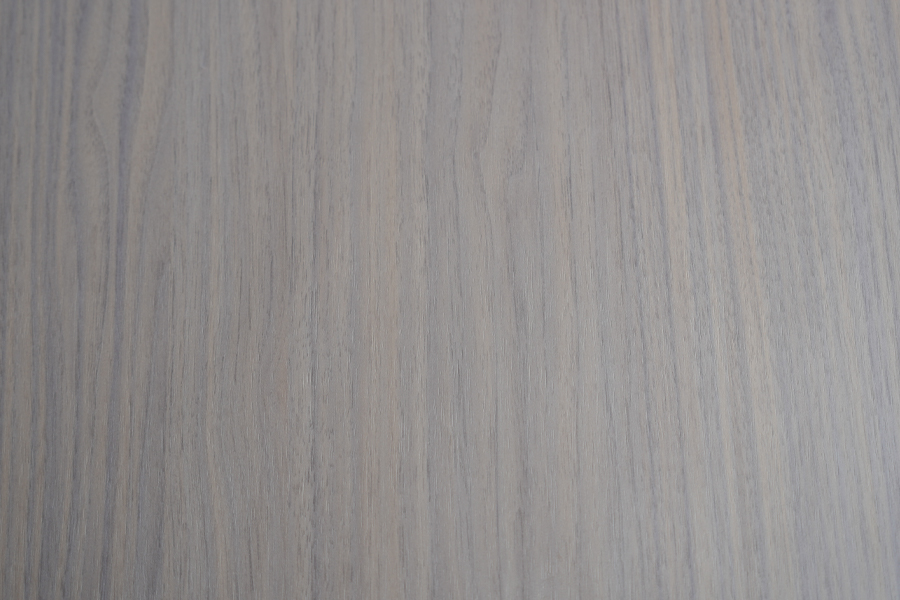 Dark Wood-Grain PVC Decorative Film for Refinishing Dark FurnitureThis dark wood-grain PVC film effectively covers yellowing and stains on dark wood surfaces while providing a scratch-resistant, stain-resistant finish that simplifies cleaning and maintains a natural look.View Product →
Prepare the Surface Before Applying Vinyl
The most common cause of bubbling, delamination, or poor adhesion is inadequate surface preparation. Vinyl needs a clean, dry, and reasonably smooth surface. Dust, grease, old wax, and loose paint all prevent the adhesive from bonding correctly. Start by wiping the furniture with a mixture of mild detergent and water, then degrease with an isopropyl alcohol wipe. Let it dry completely.
Sand the surface with 220- to 320-grit sandpaper to remove gloss and create a key for the adhesive. If the piece has deep scratches, dents, or chipped edges, fill them with a wood filler and sand flush. Pay attention to high-gloss laminates: if the surface is too shiny, the vinyl may not stick well, so a light scuff is usually necessary. Use a tack cloth to remove all sanding dust.
- Clean the full surface, not just the visible area.
- Sand with fine-grit paper until the surface is satin-smooth.
- Fill any holes and let the filler cure before sanding.
- Wipe with tack cloth immediately before application.
Environmental conditions also matter. The ideal room temperature for vinyl application is 18 to 25 degrees Celsius. Cold surfaces make the adhesive less viable, while excessive heat can soften the film too quickly. Also check the humidity; if the room is too humid, condensation may form under the film.
Measure, Cut, and Apply Vinyl Without Bubbles
Measure the area you need to cover and add at least 2 to 3 cm of overhang on every side. This extra margin lets you wrap edges and trim precisely. For flat panels, cut the sheet with a utility knife or vinyl scissors. Never stretch the film when cutting it; make sure it lies flat on the worktable first.
Use the hinge method for large surfaces. Peel back about one-third of the backing paper and position the exposed adhesive strip along the top edge of the furniture. Press it down, then remove the rest of the backing while pulling the film downward with one hand and smoothing the surface with a squeegee in the other. Work from the center outward to push trapped air to the edges. For small or narrow pieces, a straight pull can work, but the hinge method gives you more control.
If bubbles appear, lift the nearest edge and re-squeegee the area instead of poking the film. A heat gun can help soften the vinyl and make it more pliable, but keep the heat at a safe distance so you do not damage the film. For solid-color panels, a single-color embossed PVC decorative film provides a uniform finish and a textured surface that helps hide minor dust particles under the film.
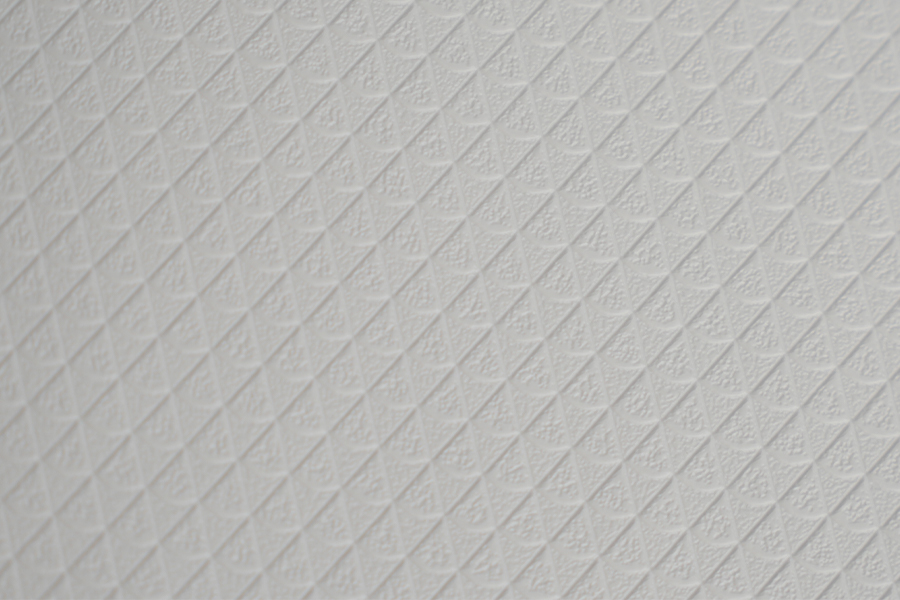 Single-Color Embossed PVC Film with Textured FinishThe single-color embossed PVC film offers a uniform, textured surface that hides minor dust particles, making it ideal for solid-color panels and providing a durable, easy-to-clean finish.View Product →
Handle Edges, Corners, and Curves
Edges and corners are where vinyl projects either succeed or fail. For a straight edge, wrap the overhang around the edge and tuck it under with a squeegee. For a rounded corner, cut small slits in the excess film so it can wrap without wrinkling. For a concave curve, use a heat gun to soften the film and let it shrink into the contour. If the film is stretched too much, the color may lighten or white-band, so reheat and lift slowly.
Curved surfaces need more patience. Apply the film from the center of the curve and work outward. Use a low-clearance squeegee to push the film into channels. Do not cut the film while it is stretched; release tension first, then trim. If you are covering cabinet door panels with a matte solid-color finish, a PETG decorative film offers a low-odor, easy-to-clean surface and resists yellowing better under UV exposure.
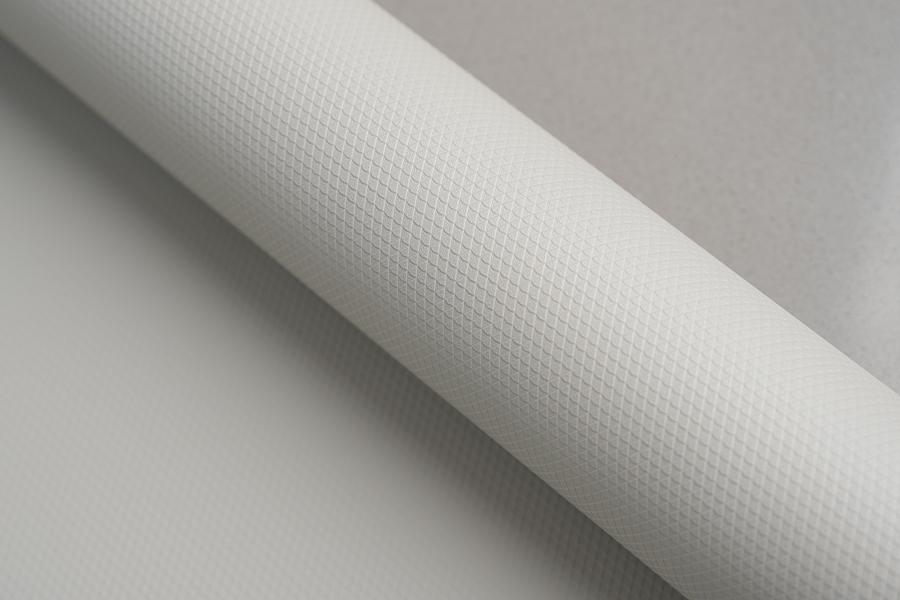 Matte Solid-Color PETG Decorative Film for Cabinet DoorsThis matte PETG film is a low-odor, food-grade, and UV-resistant option for cabinet door panels, offering flexibility and easy processing for smooth application on curved surfaces.View Product →
Maintenance and Long-Term Care
Once the vinyl is applied, the first 24 hours are critical. Do not clean the furniture with a wet cloth during this period, as the adhesive may still be curing. After that, routine care is simple. Wipe the surface with a soft damp cloth and a mild detergent. Avoid abrasive sponges, scouring pads, and solvent-based cleaners, because they can degrade the print layer.
Vinyl-covered furniture handles normal use well, but direct heat can soften the film. Use trivets under hot dishes and protect surfaces from sharp items. In production environments, our films are designed to resist stains and corrosion, and we share technical data on heat tolerance with customers. For PETG applications, you can read more about the material's advantages in our article on PETG decorative film applications. The same principles of cleaning and avoiding chemicals apply across most vinyl films.
Conclusion
Covering furniture with vinyl is not difficult, but it rewards careful materials selection and methodical preparation. Choose a film that matches your substrate and desired finish, clean and sand the surface properly, apply the vinyl with controlled tension, and finish the edges with heat and patience. If you follow these steps, the result can last for years and save the cost of replacing the furniture. We manufacture a range of functional decorative films for this exact purpose, and we encourage you to confirm the film construction and performance requirements with our technical team before mass application.
PREV:No previous articleNEXT:PET vs PVC Films: Key Differences, Environmental Impact and How to Choose
Interested in cooperation or have questions?
Recommended articles
-

Don't hesitate to contact when you need us!
GET IN TOUCH
-
Wood-Grain PVC Printed Decorative Film
Single Color PVC Decorative Film
Time-Space Fantasy PVC Printed Decorative Film
Cloth-Grain PVC Printed Decorative Film
Faux Leather Texture PVC Decorative Film
-
 No. 2 Yidu Road, Yizhuang Village, Guanlin Town, Yixing , Jiangsu, China.
 +86-0510-80773188
+86-18020301786 -

Copyright © Wuxi Telisi New
Material Technology Co., Ltd. Rights Reserved.
PVC Decorative Film Manufacturers PVC Membrane Foil Suppliers
