

 English
 Español
 عربى
عربىIntroduction to PETG Decorative Film In the realm of modern decorative materials, PETG decorative fi...
READ MOREHow to Evaluate a Decoration Film Manufacturer for Consistent Production
A kitchen cabinet manufacturer receives a new roll of woodgrain decorative film and discovers that the color is slightly redder than the previous batch. The production line stops. Someone has to recut panels, absorb the waste, and explain the delay to the customer. In the decoration film industry, that type of scenario is far too common. The root cause is not a bad roll. It is the choice of a supplier without the right manufacturing controls. For a furniture maker or an interior panel producer, the decision is not just about a swatch. It is about securing a stable supplier who owns the process from substrate to surface.
How a decoration film manufacturer controls the surface
A decorative film is a multi-layer product. The base film gives shape and formability. The printed layer delivers the visual texture. The coating layer protects the design and adds functional properties. A serious manufacturer must control each layer separately.
The strongest signals of a capable factory are the ability to apply water-based inks, keep printing registration stable, and add a functional nano-coating or similar protection. These steps determine whether a woodgrain or stone pattern looks convincing and whether the film can resist wiping, heat, and flexing.
Key evaluation criteria when you audit a decoration film manufacturer
Start your audit with three questions that directly affect production.
Can the supplier repeat the same color batch after batch?
Color consistency is the first thing a furniture production line detects. Ask about color management, ink measurement, and how often the printer validates the reference. Film that comes from the same slot but looks slightly different makes assembly visible.
Does the surface survive real handling?
Decorative film on a cabinet door gets touched. It is exposed to cleaning agents, steam, and the occasional impact. Look for evidence of scratch resistance, stain resistance, and heat resistance. A nano-coating can provide these, but the coating itself must be uniform. If a supplier cannot explain how they control coating thickness, that is a red flag.
Is the film low odor and safe for interior use?
For furniture and indoor panels, the film comes into a room that people live in. Water-based printing systems are a practical option for reducing solvent residues. Good manufacturing practice will address volatile organic compound (VOC) issues. A manufacturer that highlights a "clean-smell functional finish" is communicating that they have solved this problem.
Production process and finishing technology
Now look at how the film is actually made. A modern decorative film factory combines coating equipment, printing technology, and lamination lines. Water-based printing is important for low odor. Positioning lamination makes sure that the pattern lines up with the film direction. Nano-coating gives the surface extra durability. Together, these technologies define the quality ceiling of the final product.
Wuxi Telisi New Material Technology Co., Ltd. is a manufacturer that has built its production system around these processes. The company presents itself as a functional surface decoration material supplier, using water-based printing, positioning lamination, and nano-coating to make decorative films for furniture and interior applications. The result is a film that is environmental, visually clear, and resistant to scratching, staining, corrosion, and heat.
 Light-Colored Wood-Grain PVC Printed Decorative Film for FurnitureThis PVC film features a light wood-grain print with water-based coating, offering scratch, stain, and corrosion resistance. Suitable for lamination, wrapping, and blistering, it provides a durable and eco-friendly finish for interior surfaces.View Product →
Choosing the right substrate: PVC vs PETG
The base film changes the game. PVC decorative film is flexible and economical, which is why it dominates furniture and wall panel applications. PETG decorative film is valued when you want a more modern, low-emission profile for cabinet doors and interior components. The right choice depends on the machining process, the edges, and the environmental targets you need to meet.
| Property | PVC decorative film | PETG decorative film |
|---|---|---|
| Formability | Excellent for complex curved edges | Good for flat and simple profiles |
| Environmental performance | Depends on formulation and additives | Generally lower emissions |
| Typical use | Furniture surfaces, wall panels, doors | Cabinet door panels, premium interiors |
| Surface finish options | Wide range of textures and prints | Matte, gloss, and printed options |
If your product line focuses on kitchen cabinetry, a solid-color matte PETG decorative film is a common choice for a clean, modern look. The film must bond securely to the door panel without any telegraphing of the substrate underneath. You can find more details on how PETG film is used and what to verify in this industry analysis of PETG decorative film.
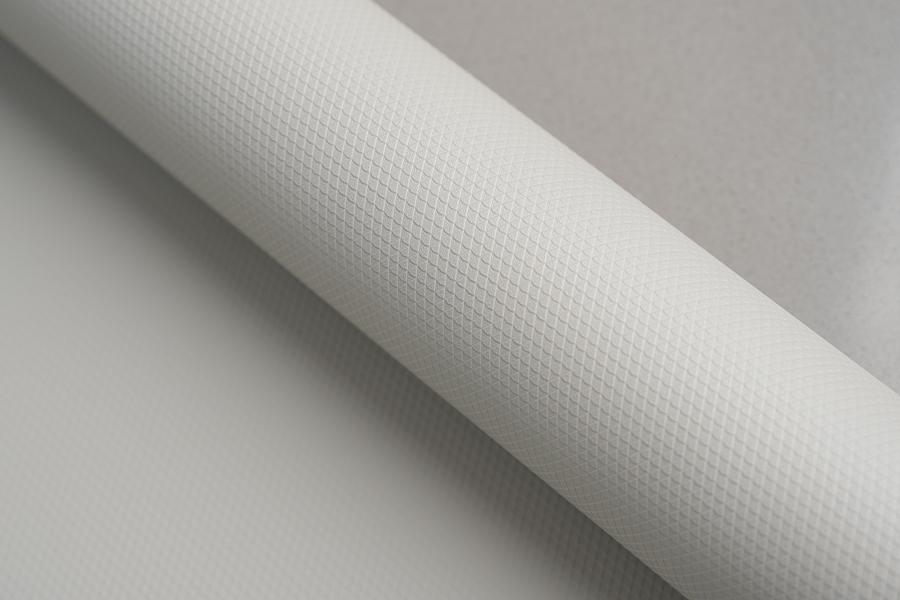 Solid Color Matte PETG Decorative Film for Cabinet DoorsA flexible PETG film with a matte solid finish, designed for flat lamination and wrapping. It is environmentally friendly, food-grade safe, and easy to process, making it ideal for modern cabinetry and interior panels.View Product →
What to verify in a supplier audit
Certifications are a useful starting point. ISO9001 shows that the factory has a quality management system. ISO14001 shows that the company takes environmental obligations seriously. In China, a national high-tech enterprise certification also indicates a commitment to research and development. These credentials matter because decorative film is a technical product, not a commodity.
Beyond certificates, look at the production base. A manufacturer with a dedicated coating materials R&D center and a functional film innovation center is more likely to support custom colors and performance adjustments. Wuxi Telisi New Material Technology Co., Ltd. is located in Yixing, Jiangsu, with a plant covering about 65 mu and 25,500 square meters of building space. It also has training facilities for environmental ink printing and a functional film innovation center. That type of infrastructure gives you confidence that the supplier can handle not only standard products but also project-specific requests.
Common procurement mistakes
- Choosing a supplier based only on the initial sample. If the factory cannot describe how they control batch reproducibility, the next order may be different.
- Ignoring the substrate and coating relationship. A beautiful texture printed on the wrong base or without a proper top coat will fail in the field quickly.
- Overlooking odor and VOC requirements. A furniture film that smells after installation creates a customer complaint and a pull-back.
- Not ordering a trial run. A small pilot batch lets you verify color, adhesion, and processing behavior on your own equipment before committing to a full shipping container.
Specialty products such as metal-brushed decorative film add another layer of complexity. The finished look depends on the base film, the brushing pattern, and the coating. A good manufacturer will let you inspect consistency across different rolls.
 Electroplated Brushed Metal Decorative Film for Interior SurfacingThis film simulates brushed metal finishes like stainless steel or aluminum with an electroplated coating. It offers a reflective, fingerprint-resistant surface for flat lamination and wrapping, enhancing décor without the weight of real metal.View Product →
The safest way to buy decoration film is to buy from a manufacturer who owns the process. You want a partner who can explain how they control color, how they form the texture, and how they protect it. You want to see evidence of R&D, environmental care, and modern equipment. Wuxi Telisi New Material Technology Co., Ltd. focuses on functional surface decoration materials and demonstrates the production structure needed for stable supply. Before you place a large order, verify the three things that matter most: reproducible color, durable surface properties, and a substrate that fits your real application.
PREV:No previous articleNEXT:Covering Furniture with Vinyl: How to Choose, Prepare, and Apply It Properly
Interested in cooperation or have questions?
Recommended articles
-

Don't hesitate to contact when you need us!
GET IN TOUCH
-
Wood-Grain PVC Printed Decorative Film
Single Color PVC Decorative Film
Time-Space Fantasy PVC Printed Decorative Film
Cloth-Grain PVC Printed Decorative Film
Faux Leather Texture PVC Decorative Film
-
 No. 2 Yidu Road, Yizhuang Village, Guanlin Town, Yixing , Jiangsu, China.
 +86-0510-80773188
+86-18020301786 -

Copyright © Wuxi Telisi New
Material Technology Co., Ltd. Rights Reserved.
PVC Decorative Film Manufacturers PVC Membrane Foil Suppliers
