

 English
 Español
 عربى
عربىIntroduction to PETG Decorative Film In the realm of modern decorative materials, PETG decorative fi...
READ MOREThermafoil Cabinet Doors: Pros, Cons, Durability, and PETG Alternatives
A kitchen renovation client once called us with a familiar complaint: five-year-old thermofoil cabinet doors above the range had started to bubble, and the edge of one door near the dishwasher was peeling in a thin white ribbon. The rest of the kitchen looked fine. That one damaged area was enough to force a full door replacement, because thermofoil cannot be repaired. This is the central reality of thermafoil cabinet doors: they are budget-friendly and seamless, but they fail near heat and their damage is permanent. This guide explains what thermofoil cabinet doors are, where they make sense, and what to choose instead when durability matters more than first cost.
What Are Thermafoil Cabinet Doors?
A thermofoil cabinet door is a machined medium-density fiberboard (MDF) core wrapped in a layer of PVC film. The film is softened by heat and then vacuum-formed over the door, so the foil adheres to recessed center panels, rounded edges, and profiled details without seams. Unlike low-pressure laminate or painted finishes, thermofoil covers the entire substrate in one continuous skin. The most common term in the trade is "thermofoil," though many homeowners search for "thermafoil." The word refers to the process: thermo (heat) plus foil (the PVC skin).
Thermofoil became popular in the 1990s as a way to produce decorated cabinet doors at a fraction of the cost of solid wood. It is especially common in builder-grade kitchens and bathrooms, where budgets are tight and style expectations are modest. Because the MDF can be routed into raised or recessed panel designs, thermofoil still provides a dimensional look that flat laminate cannot achieve.
The Real Advantages of Thermofoil Cabinet Doors
- Low cost: The materials are inexpensive and the production process is fast, so thermofoil doors typically cost 30% to 50% less than comparable wood doors.
- Uniform appearance: Because the printed film comes in rolls, every door in the same order has exactly the same color and texture. There is no natural grain variation to match.
- Easy maintenance: The non-porous PVC surface resists stains from oil, wine, and tomato sauce. A damp cloth removes most kitchen splatter without any special cleaner.
- Seamless wrap: The vacuum-forming process eliminates exposed edges and seams, which reduces the risk of water entering the core in normal, non-steam conditions.
These benefits make thermofoil attractive for rental units, spec homes, laundry rooms, and low-traffic areas where a clean white or off-white finish is the priority.
What the Marketing Does Not Tell You
- Not repairable: If the film is scratched, chipped, or punctured, you cannot blend in a repair. Any touch-up remains visible. Cabinet shops and installers are blunt on this point: thermofoil is durable in normal use, but damage is permanent.
- Heat sensitivity: PVC film softens at relatively low temperatures. Doors adjacent to an oven, cooktop, or dishwasher often show bubbles or delamination within five to eight years. The thin film expands away from the MDF, and once that bond is broken it cannot be pressed back down.
- Edge lifting: The most common failure point is the bottom edge near a sink or dishwasher. Moisture and steam work behind the foil. Over time the edge curls, collects dirt, and spreads across the panel face.
- Perceived as low-end: Real wood has visible grain, depth, and a natural warmth. Thermofoil is smooth and feels like plastic. Some buyers reject it for that reason alone, even when the surface performs fine.
This is why many homeowners who make cost-based decisions on thermofoil doors end up replacing them earlier than expected. The total cost of ownership, including the second installation, is often close to what a more stable material would have cost the first time.
Thermofoil vs. Other Cabinet Door Materials
The table below compares thermofoil, solid wood, laminate on particleboard, and PETG-wrapped doors across the criteria that matter most to buyers:
| Criteria | Thermofoil (PVC) | Solid Wood | Laminate (HPL) | PETG Wrapped |
|---|---|---|---|---|
| Relative cost | Low | High | Medium | Medium |
| Heat resistance | Poor | Good | Good | Better |
| Repairability | None | Sandable/refinishable | Limited | Limited |
| Seamless edges | Yes | No (joints) | No (seams) | Yes |
| Color consistency | Perfect | Variable | Good | Perfect |
| Typical lifespan | 5-10 years | 20+ years | 10-15 years | 15+ years |
Take note of the heat row. If your kitchen has a high-heat cooking zone or a dishwasher next to the cabinets, thermofoil is the weakest choice in this group.
If You Do Choose Thermofoil: Buying Criteria
Thermofoil is not automatically a bad choice. In a pantry, a laundry room, or a rarely used second kitchen, it can work well. When you buy, check these specific points:
- Film thickness: Ask the supplier for the PVC film gauge. Quality cabinet doors use film at least 0.3 mm (12 mil) thick. Thinner film fails faster at the edges.
- Adhesive type: Reactive hot-melt adhesive creates a stronger and longer-lasting bond than standard contact adhesive. Confirm this with the factory, not with the showroom salesperson.
- MDF quality: The core must be dense and moisture-resistant. A low-density board absorbs steam and expands, which pushes the film off.
- Edge profile: Simple, rounded profiles hold the foil better than sharp inside corners. Deep routed patterns create thin spots in the film that are prone to tearing.
- Warranty: A 10-year warranty from the door manufacturer is common. Anything shorter is a warning sign.
Even with all these checks, do not place thermofoil doors directly beside a high-BTU range.
The Stronger Alternative: PETG-Wrapped Cabinet Doors
PETG film offers the same seamless wrap look as thermofoil but eliminates many of its weaknesses. PETG is a polyester-based thermoplastic that handles heat far better than PVC, resists yellowing under UV exposure, and does not release chlorine compounds during manufacturing or disposal. That last point matters if your project needs to meet indoor air quality requirements.
For kitchens where thermofoil tends to fail, our solid-color matte cabinet door panel PETG film provides a clean, uniform surface that holds its shape around the oven. It is produced with a water-based printing process and a nano-coating that increases surface hardness and stain resistance. For the industrial production line, PETG film also runs on the same vacuum-pressing equipment as PVC, so converters can switch without buying new machinery.
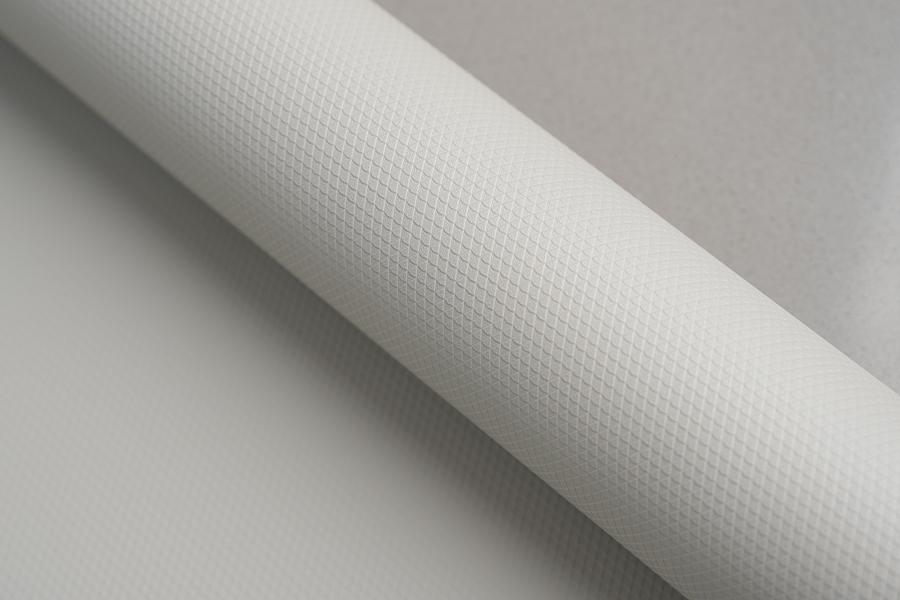 Solid Color Matte PETG Decorative Film for Cabinet DoorsThis matte PETG film offers a clean, uniform surface that resists heat and staining, making it a durable alternative to thermofoil for kitchen and bathroom cabinetry.View Product →
If woodgrain is part of your design, woodgrain-printed PETG film reproduces natural pores and grain lines while keeping the dimensional stability of a polymer skin. Unlike thermofoil, PETG does not soften as easily at moderate heat, which is why it is becoming the default recommendation for custom kitchen and bathroom cabinetry.
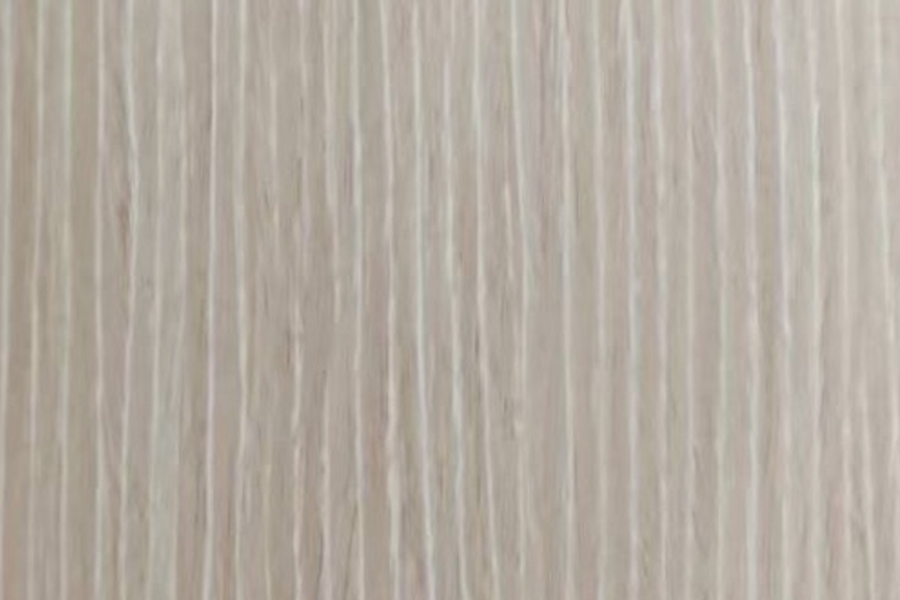 Wood-Grain Printed PETG Decorative FilmThis wood-grain PETG film combines natural aesthetics with heat resistance, providing a stable and reliable option for custom cabinetry where thermofoil may fail.View Product →
For a more complete read on the material, see PETG decorative film advantages and applications. The key point is simple: PETG wraps give you the design freedom of thermofoil without the heat-related failure mode that brings homeowners back for expensive rework.
Making the Decision
Choose thermofoil only when the absolute lowest first cost is the top priority and you know the space will stay away from heat and moisture. For a main kitchen, a rental flip with repeated turnover, or any cabinet near an oven, choose PETG-wrapped doors instead. The material cost of PETG is moderately higher, but the reduced failure rate and better environmental profile make the overall cost lower over a 10-year ownership period.
Before you specify any door, ask the manufacturer for a small sample and test it with an ordinary hair dryer on the hot setting. Blow heat against the film for 30 seconds. Quality PETG and thermofoil should both survive that quick test; the difference appears after years of real kitchen use. That simple check, plus an honest assessment of your kitchen's heat load, will help you select the door that is actually worth what you pay.
PREV:No previous articleNEXT:Laminating Membrane Guide: How to Choose PVC and PETG Films for Furniture Panels
Interested in cooperation or have questions?
Recommended articles
-

Don't hesitate to contact when you need us!
GET IN TOUCH
-
Wood-Grain PVC Printed Decorative Film
Single Color PVC Decorative Film
Time-Space Fantasy PVC Printed Decorative Film
Cloth-Grain PVC Printed Decorative Film
Faux Leather Texture PVC Decorative Film
-
 No. 2 Yidu Road, Yizhuang Village, Guanlin Town, Yixing , Jiangsu, China.
 +86-0510-80773188
+86-18020301786 -

Copyright © Wuxi Telisi New
Material Technology Co., Ltd. Rights Reserved.
PVC Decorative Film Manufacturers PVC Membrane Foil Suppliers
